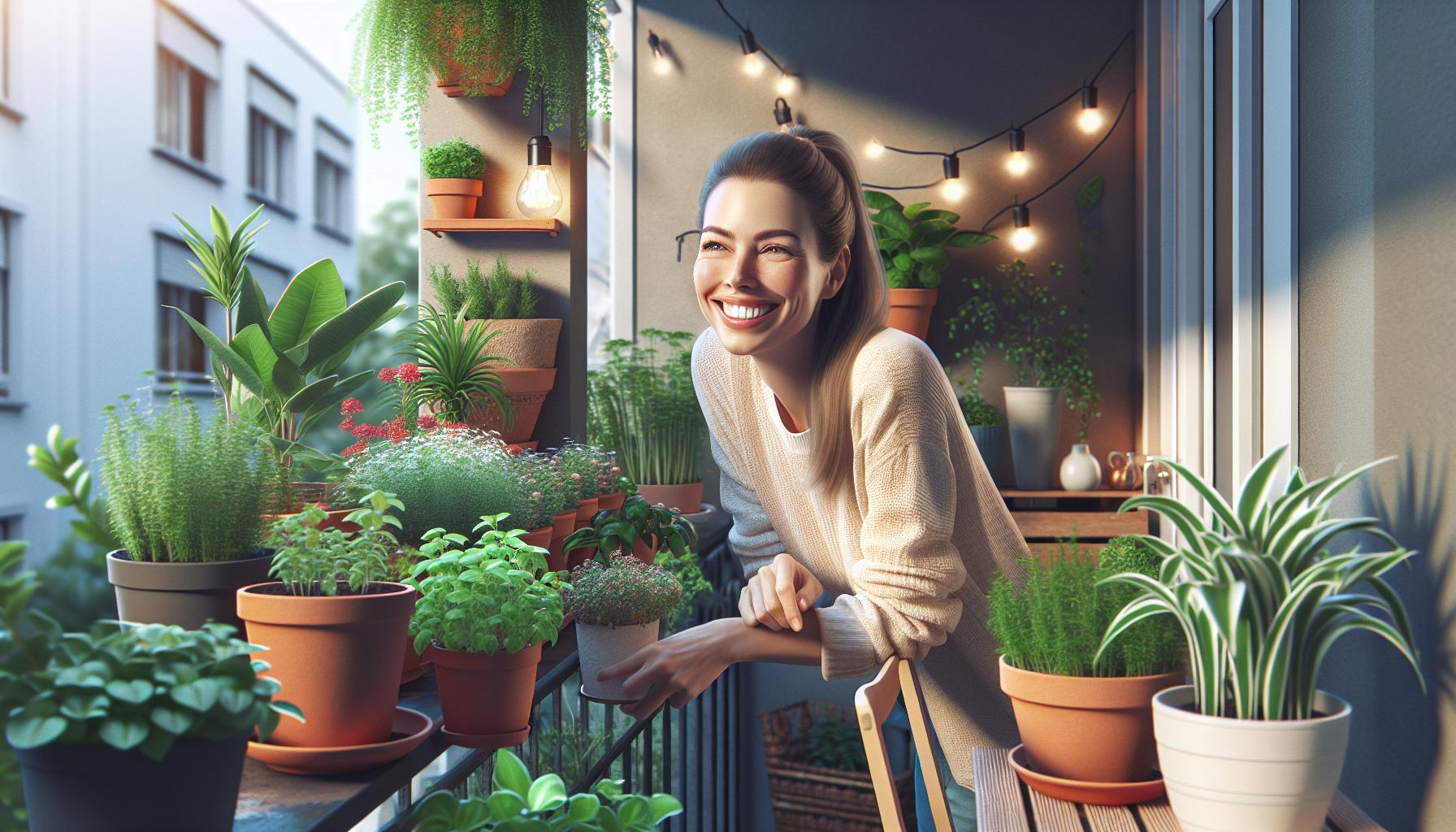
Living in a small apartment doesn’t mean I have to give up my dream of having a thriving garden. I’ve discovered that ruggable apartment gardening offers the perfect solution for urban dwellers who want to grow their own plants without compromising limited space or risking damage to their rental property.
As someone who’s transformed my tiny balcony into a verdant oasis I’ve learned that ruggable gardens are incredibly versatile and practical. These movable garden solutions come with washable components and protective barriers that keep floors and surfaces safe while allowing me to cultivate everything from fresh herbs to decorative plants. Whether you’re dealing with a compact balcony a windowsill or a small corner of your living room ruggable gardening systems can help bring your green dreams to life.
Key Takeaways
- Ruggable apartment gardening combines protective flooring solutions with innovative plant cultivation methods, making it ideal for small living spaces
- Essential equipment includes self-watering containers with drip trays, full-spectrum LED grow lights, and vertical gardening systems that maximize limited space
- Low-maintenance plants like snake plants, pothos, and herbs thrive in apartment settings while requiring minimal care and space
- Space-saving solutions such as vertical gardens, multi-tiered planters, and furniture with built-in growing areas help optimize available space
- Regular maintenance using moisture meters, bottom-watering techniques, and natural pest control methods helps protect both plants and apartment surfaces
Ruggable Apartment Gardening
Ruggable apartment gardening combines innovative plant cultivation with protective flooring solutions. I’ve discovered how this method transforms limited spaces into thriving gardens while safeguarding rental properties.
Benefits of Growing Plants in Small Spaces
Growing plants in compact areas delivers multiple advantages for apartment dwellers:
- Creates natural air purification through plants like snake plants, spider plants or peace lilies
- Reduces grocery expenses with home-grown herbs such as basil, mint or parsley
- Enhances mental well-being through daily interaction with greenery
- Provides fresh produce within arm’s reach
- Adds living decor elements to small spaces
- Controls indoor humidity levels naturally
Indoor vs. Outdoor Apartment Gardens
Each gardening location offers distinct characteristics for plant growth:
Indoor Gardens:
- Protection from extreme weather conditions
- Year-round growing potential
- Limited natural light exposure
- Controlled temperature environment
- Space for compact container systems
- Maximum sunlight exposure
- Natural rainfall benefits
- Temperature fluctuations
- Limited growing seasons
- Enhanced pollinator access
| Garden Type | Light Hours | Temperature Range | Growing Season |
|---|---|---|---|
| Indoor | 4-6 hrs | 65-75°F | Year-round |
| Outdoor | 6-8 hrs | 45-85°F | Seasonal |
Essential Equipment for Apartment Gardening
Based on my experience creating a thriving apartment garden, I’ve identified specific tools essential for successful ruggable gardening. These items protect floors while maximizing growing potential in limited spaces.
Container and Planter Options
I rely on multi-tiered planters with built-in drainage systems to minimize water damage. My top container recommendations include:
- Self-watering containers with water level indicators
- Fabric grow bags (3-5 gallon) with matching drip trays
- Vertical wall planters with protective backing
- Stackable modular systems with interlocking bases
- Hanging baskets with leak-proof liners
Table: Container Size Guidelines
| Plant Type | Minimum Container Size | Recommended Depth |
|---|---|---|
| Herbs | 6 inches | 6-8 inches |
| Leafy Greens | 8 inches | 4-6 inches |
| Small Vegetables | 12 inches | 8-12 inches |
| Dwarf Fruit Trees | 15-20 inches | 12-16 inches |
Lighting Solutions for Indoor Gardens
I’ve tested multiple lighting options for optimal plant growth in low-light apartments:
- Full-spectrum LED grow lights (20-40W) for leafy plants
- Adjustable gooseneck grow lamps for targeted lighting
- Timer-equipped light strips for consistent exposure
- Clip-on plant lights for shelf gardens
- Solar-powered options for balcony setups
| Plant Category | Daily Light Needs | Recommended Light Type |
|---|---|---|
| Low Light | 4-6 hours | Standard LED |
| Medium Light | 6-8 hours | Full Spectrum LED |
| High Light | 8-12 hours | High Output LED |
| Seedlings | 14-16 hours | Blue-Red Spectrum |
Best Plants for Apartment Gardens
I’ve discovered specific plants that thrive in apartment gardens while complementing ruggable setups. These selections maximize limited space with minimal maintenance requirements.
My experience shows these indoor plants excel in apartment settings:
- Snake Plants: Grows upright in 6-inch pots, tolerates low light conditions
- ZZ Plants: Thrives in 8-inch containers, requires watering once every 2-3 weeks
- Pothos: Trails from hanging baskets, adapts to various light conditions
- Chinese Evergreen: Fits 10-inch pots, tolerates dry indoor air
- Spider Plants: Perfect for 6-inch hanging containers, produces plantlets for propagation
| Plant Name | Light Requirement | Watering Frequency |
|---|---|---|
| Snake Plant | Low to Bright | Every 2-3 weeks |
| ZZ Plant | Low to Medium | Every 2-3 weeks |
| Pothos | Medium to Bright | Every 7-10 days |
| Chinese Evergreen | Low to Medium | Every 7-14 days |
| Spider Plant | Medium to Bright | Every 7-10 days |
- Cherry Tomatoes: Produces fruit in 12-inch containers
- Lettuce: Grows in 6-inch shallow containers, harvests within 30 days
- Mint: Thrives in 8-inch pots, spreads quickly
- Basil: Flourishes in 6-inch containers near sunny windows
- Microgreens: Grows in 2-inch deep trays, ready to harvest in 14 days
| Plant Type | Container Size | Time to Harvest |
|---|---|---|
| Cherry Tomatoes | 12-inch | 60-80 days |
| Lettuce | 6-inch | 30-45 days |
| Mint | 8-inch | 28-35 days |
| Basil | 6-inch | 21-28 days |
| Microgreens | 2-inch | 14-21 days |
Space-Saving Garden Design Tips
I’ve optimized my apartment garden’s layout through strategic space management techniques that maximize growing areas while maintaining floor protection. These design solutions transform limited spaces into productive growing environments.
Vertical Gardening Solutions
My vertical gardening setup triples my growing space by utilizing wall-mounted systems with integrated drip protection. I incorporate:
- Living walls with pocket planters featuring moisture-resistant backing
- Stackable tower gardens with 5-tier configurations
- Trellis systems attached to balcony railings for climbing plants
- Over-the-door hanging organizers repurposed for herb growing
- Window-mounted shelving units with protective drip trays
- Storage benches with built-in planter tops
- Folding tables with removable grow trays
- Rolling plant stands that double as side tables
- Modular cube shelves combining storage with growing space
- Balcony dividers with integrated herb planters
| Furniture Type | Growing Capacity | Space Saved |
|---|---|---|
| Storage Bench | 4-6 plants | 6 sq ft |
| Folding Table | 8-10 plants | 4 sq ft |
| Rolling Stand | 3-4 plants | 2 sq ft |
| Cube Shelves | 12-15 plants | 8 sq ft |
| Dividers | 6-8 plants | 5 sq ft |
Garden Maintenance in Limited Spaces
I’ve developed efficient maintenance routines for my ruggable apartment garden that protect floors while nurturing plants. My experience shows that successful small-space gardening requires precise care routines with minimal mess.
Watering and Fertilizing Basics
I use a combination of self-watering systems and targeted manual watering to maintain optimal moisture levels in my apartment garden. My essential watering tools include:
- Moisture meters to prevent overwatering damage
- Bottom-watering trays that collect excess water
- Long-spout watering cans for precise application
- Automated drip systems with leak protection
- Slow-release fertilizer pellets to reduce nutrient runoff
For container plants, I apply fertilizer at 1/4 strength every 2 weeks during growing season. My schedule includes:
| Plant Type | Watering Frequency | Fertilizer Schedule |
|---|---|---|
| Herbs | Every 2-3 days | Monthly |
| Leafy Greens | Daily | Bi-weekly |
| Succulents | Weekly | Quarterly |
| Flowering Plants | Every 3-4 days | Monthly |
Pest Control for Small Gardens
I maintain pest-free plants through natural deterrents that protect indoor air quality. My integrated pest management approach includes:
- Neem oil spray applications every 14 days
- Sticky traps placed discretely near plants
- Beneficial insects like ladybugs for aphid control
- Diatomaceous earth barriers around containers
- Weekly leaf inspections using LED magnifiers
| Prevention Method | Application Area | Frequency |
|---|---|---|
| Neem Oil Spray | Leaf surfaces | Bi-weekly |
| Sticky Traps | Plant base | Monthly replacement |
| Plant Inspection | All foliage | Weekly |
| Air Circulation | Between plants | Daily |
| Soil Treatment | Top layer | Monthly |
Low-Maintenance Indoor Plants
Starting a ruggable apartment garden has transformed my living space into a vibrant green sanctuary while protecting my rental deposit. I’ve discovered that with the right tools solutions and mindset anyone can create their own urban oasis regardless of space constraints.
Whether you’re looking to grow fresh herbs for cooking cultivate air-purifying houseplants or simply add some natural beauty to your home ruggable apartment gardening offers endless possibilities. I’m confident that by following these guidelines and tips you’ll be well on your way to creating your own thriving apartment garden without compromising your living space or security deposit.
The joy of growing plants in small spaces is both rewarding and practical. I encourage you to take that first step toward your gardening journey today.